
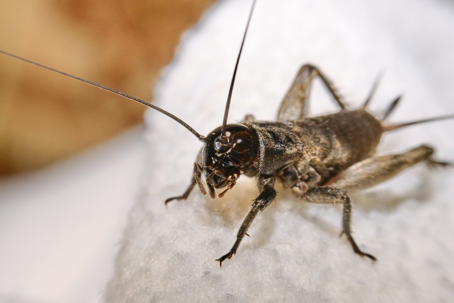
What Their Presence Reveals About Your Home
Winter often feels like a reprieve from the steady hum of pests that seem to dominate the warmer months. The cold weather drives us indoors, seeking warmth and comfort, and it’s easy to assume that bugs would do the same. But what happens when you spot insects in the depths of winter? Their unexpected presence raises questions about what’s happening in your home and what it might mean for your property. Understanding why certain bugs appear during winter is key to maintaining a pest-free home year-round.
The Search For Survival: Why Bugs Come Inside
Insects are masters of survival, and winter presents unique challenges for them. As temperatures drop, many species seek refuge indoors to escape the harsh conditions outside. Your home becomes an ideal sanctuary, offering warmth, food, and shelter. Bugs that would typically thrive outdoors, such as spiders, cockroaches, and even ants, may find their way inside to ensure their survival.
For some species, the warmth of your home tricks their biological systems into thinking it’s still breeding season. This can lead to an uptick in activity that’s highly unusual for winter months. Seeing bugs indoors during this time isn’t just a nuisance; it’s an indication that your home might have unnoticed vulnerabilities. Small cracks, poorly sealed windows, or gaps in your foundation are like open doors for these tiny invaders. Their presence is often a symptom of underlying issues that require attention.
Overwintering Pests: Hiding In Plain Sight
While some bugs actively seek shelter indoors, others are what pest professionals call "overwintering pests." These insects don’t enter homes with the intent to establish colonies or infest—they’re merely seeking a safe place to survive the colder months. Boxelder bugs, stink bugs, and lady beetles are common culprits in this category. As temperatures drop, these pests look for warm, sheltered spaces, often finding their way into homes through tiny cracks in walls, gaps in windows, or vents. They settle into attics, behind walls, or in crawl spaces, remaining hidden throughout winter until the warmth of spring signals their re-emergence.
The appearance of overwintering pests during winter often indicates vulnerabilities in your home’s structure. Even the smallest gaps in insulation or siding can serve as entry points for these invaders. While their presence may seem harmless, overwintering pests can still pose challenges. Their accumulation can result in unpleasant odors, unsightly droppings, and allergens that can compromise indoor air quality. Additionally, some pests may inadvertently damage insulation or wiring, leading to potential structural or safety concerns.
Spotting these insects during winter is a clear signal that preventive measures and regular home maintenance are essential. Addressing these entry points and monitoring for hidden infestations can go a long way in maintaining a secure and pest-free environment year-round.
Moisture And Warmth: A Perfect Storm
Insects thrive in environments that provide the essentials for their survival, and two key factors are moisture and warmth. Even during winter, parts of your home that are damp or humid can become ideal habitats for pests. Kitchens, bathrooms, basements, and crawl spaces frequently combine the right levels of humidity and temperature to attract unwanted visitors like silverfish, cockroaches, and even termites. These areas are often less disturbed, making them even more appealing for insects seeking shelter and resources.
When you spot bugs in these spaces during the colder months, it’s often a strong indicator of underlying issues such as excess moisture or poor ventilation. Leaky pipes, cracks around windows and doors, or improperly sealed areas can create conditions that allow pests to settle in. Once inside, these invaders can multiply quickly, turning what might seem like a small nuisance into a bigger problem. Moreover, pests like cockroaches and ants are often drawn to food sources, meaning unsealed trash bins, crumbs, or cluttered pantries can further exacerbate the issue.
Addressing these factors is not only essential for controlling pest activity but also for improving your home’s overall health and safety. Fixing leaks, improving ventilation, sealing entry points, and maintaining clean and dry living spaces can go a long way in reducing pest attraction while creating a more comfortable environment for your family.
The Role Of Dormancy And Activity Cycles
Not all bugs behave the same way during winter, and understanding their activity cycles provides insight into what their presence means. Some insects enter a state of dormancy called diapause, where their metabolic activity slows down dramatically. These bugs hide away in dark, quiet places, often going unnoticed until their hiding spots are disturbed.
On the other hand, there are pests that remain active year-round. Spiders, for example, are less affected by temperature changes and will continue hunting for food regardless of the season. The sudden appearance of spiders in your home during winter may not necessarily mean there’s an infestation—it could indicate that other insects, their prey, are also present.
Termites, though less visible, remain active beneath the surface of wood or within walls during winter. Their activity is a silent signal of deeper structural issues. If you’re seeing termites or evidence of their damage during the colder months, it’s a serious sign that professional intervention is needed.
The Bigger Picture: What Winter Bugs Reveal About Your Home
When bugs appear during winter, they’re not just an annoyance—they’re a message about the state of your home. Insects are incredibly resourceful, and their ability to find entry points or thrive indoors often reflects weaknesses in your home’s structure or maintenance routine. Whether it’s a cracked foundation, poor sealing, or high humidity levels, their presence highlights areas that need attention.
Winter is also a time when pest activity inside your home can serve as a preview of what to expect come spring. Overwintering pests that survive the colder months may emerge in full force once the weather warms, while pests like termites can cause significant damage if left unchecked. Understanding the connection between winter pest activity and long-term home health is critical to preventing larger infestations down the line.
Seeing bugs during winter is more than just an inconvenience—it’s a call to action. These pests signal vulnerabilities in your home that, if ignored, could lead to more significant problems. At Fortified Pest Control, we understand the challenges of maintaining a pest-free home, especially during the colder months when invaders seek refuge indoors.
Our expert team is here to provide thorough inspections, identify problem areas, and implement customized solutions to keep your home safe and comfortable. Whether you’re dealing with overwintering pests, hidden infestations, or entry points that need to be sealed, we have the expertise to address the issue and prevent future invasions. Contact Fortified Pest Control today to schedule a consultation and take the first step toward a pest-free home this winter and beyond. Let us fortify your home against tiny intruders so you can enjoy the season without worry.