
Unexpected Places Pests Are Hiding in Your Home
Pests are adept at sneaking into our homes, but what’s truly surprising is where they tend to hide. While we often think of pests invading our kitchen pantry or scurrying across countertops, the reality is that many insects, rodents, and other unwanted critters are hiding in places we’d never imagine. Their ability to settle into unusual spots allows them to thrive undetected, often until the infestation is extensive. Identifying these hidden spaces is crucial, not just for peace of mind, but to protect the health and safety of your home. Let’s explore some of the lesser-known hiding places pests love and how to recognize the signs that they may have already moved in.
Inside Walls and Beneath Floorboards
When it comes to hidden spaces, walls and floorboards are among the most common yet overlooked hiding spots for pests. Rodents, termites, and cockroaches frequently take advantage of the wall cavities and spaces beneath floors, which provide them with a protected pathway throughout the home. These areas offer not only security but also easy access to food sources and warmth, making them ideal nesting spots.
Rodents, particularly mice and rats, often find their way into walls by chewing through drywall or squeezing through small gaps. Once inside, they travel freely between rooms, foraging for food and leaving behind droppings. Homeowners may detect the presence of these pests by listening for faint scratching or scurrying sounds coming from within walls, especially at night when everything is quiet. A hollow sound when tapping on the floor or walls could also indicate that termites are making themselves at home, gradually eating through structural beams and supports. Termites are especially dangerous because their damage often goes unnoticed until it’s severe.
Beneath the floorboards, termites and even cockroaches can create colonies, with termites feeding on the wood structure itself. Cockroaches will use the spaces under floorboards to travel and avoid detection, emerging in kitchens or bathrooms for food and water. Recognizing these early warning signs—like soft floors, odd noises, or small holes in baseboards—can prevent a full-scale infestation and protect the home’s structural integrity.
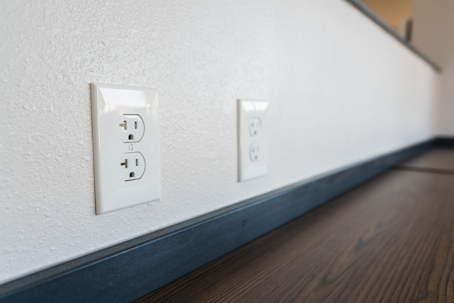
Electrical Outlets and Appliance Crevices
It may seem surprising, but electrical outlets and appliance crevices are common hiding spots for pests. Many pests are drawn to the warmth and darkness that these areas provide. Cockroaches, for instance, love to hide behind or inside appliances such as refrigerators, ovens, and microwaves. These spaces not only give them warmth but also often offer crumbs and spills that go unnoticed. Cockroaches thrive in tight, warm areas, and with their nocturnal habits, they easily remain unseen, emerging only at night to forage.
Rodents are known to nest around appliances as well, and they often chew through electrical wires, which can lead to serious hazards. Mice and rats might be hiding behind your washing machine, inside the backs of cabinets, or even within electrical outlets where they create nests from insulation and wiring. In addition to the risk of an electrical fire, a rodent infestation can disrupt the performance of appliances, leading to costly repairs or replacements. Checking behind and underneath appliances regularly can help identify signs of pests early. Look for droppings, chewed wiring, or even grease marks from rodents rubbing against surfaces.
Air Ducts and HVAC Systems
Another lesser-known hiding spot for pests is in your home’s air ducts and HVAC systems. These systems provide ideal pathways for pests like rodents and insects, allowing them to travel unnoticed from one part of the home to another. The dark, enclosed spaces within air ducts make it easy for them to hide and build nests, especially when the ducts are rarely inspected.
For pests like spiders, cockroaches, and even mice, ducts and HVAC systems offer not only shelter but also the opportunity to contaminate indoor air quality. Rodents nesting in these areas may leave droppings and urine, which can create allergens in the air. If a pest dies inside a duct, the smell of decay can spread throughout the home, creating an unpleasant environment. Additionally, cockroaches and rodents crawling through HVAC systems may leave trails of dirt, bacteria, and allergens.
To prevent pests from using your ducts as highways, inspect your HVAC system periodically or schedule regular professional cleanings. Consider adding fine mesh screens to vent openings to deter pests from entering the system. By staying proactive, you can help ensure that your air quality remains clean and free from contaminants introduced by pests.
Attics, Closets, and Storage Rooms
Attics, closets, and storage rooms are perfect hiding spots for pests. These areas are often filled with undisturbed items like clothing, seasonal decorations, or boxes, which make ideal nesting materials. Rodents and insects gravitate toward these quiet, unused spaces where they can reproduce undisturbed. Moths, silverfish, and cockroaches are often found hiding among stored items, attracted to the organic materials in fabrics, paper, and cardboard.
In attics, pests like mice, rats, squirrels, and even bats might enter through small gaps and create nests within insulation or stored boxes. They leave droppings, urine stains, and chew marks, which can damage both the structure and the stored belongings. Regularly inspecting these areas and securing potential entry points, like attic vents and small cracks, can reduce the chance of pests turning your storage space into a nesting ground. Periodic organization of closets and storage spaces, especially during seasonal changes, can help catch pest activity early.
Furniture and Upholstered Items
While it may not be the first place you’d think to look, furniture and upholstered items can hide various pests. Bed bugs, for instance, are notorious for hiding in the seams, folds, and crevices of mattresses, sofas, and chairs. They remain hidden during the day and come out at night to feed, making them incredibly difficult to detect. Fleas are also known to hide in upholstery, especially if you have pets that frequently lounge on furniture.
Even rodents may occasionally chew through wooden furniture frames or hide inside larger pieces with storage compartments. They can damage the furniture by gnawing on the wood or nesting within cushions. Routine cleaning of upholstery and using protective covers on mattresses and pet beds can help deter pests from hiding in these items. For pet owners, it’s especially important to vacuum furniture and carpets regularly to prevent fleas from taking hold.
Knowing where pests might be hiding is essential to keeping them at bay, but sometimes their hiding spots are just too well-concealed for the untrained eye. While regular home inspections and cleaning routines can help, a professional inspection can make all the difference in catching these hidden invaders before they cause serious damage. At Fortified Pest Control, we specialize in identifying even the most concealed pest problems, ensuring every corner of your home is secure. If you suspect pests are lurking in hidden spaces or simply want the peace of mind that your home is pest-free, contact Fortified Pest Control today for a comprehensive inspection and customized pest management plan. We’re here to help keep your home safe and pest-free all year round.