
What To Do If You Experience A Tick Issue
There’s an invasion happening across America right now, but it’s not aliens. It’s ticks. Reports of encounters have been steadily increasing for decades; about 22,000 tick-borne diseases were reported in 2004 by the CDC. By 2019, the number jumped to more than 50,000. They love the warm, humid weather of Northeast Indiana, so it is important to be diligent. As you head into the worst part of their season, let’s take a refresher on what we know about these troublesome pests.
What Are Ticks?
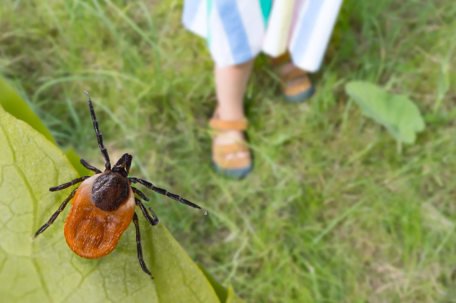
Ticks are tiny, predatory parasites that feed on blood. They are not insects, though. They’re arachnids. Coloring can vary from gray to brown, depending on the species. Like their spider cousins, they have eight legs and two main body sections, a thorax and an abdomen. Unlike spiders, they spend most of their time attached to a host. They crawl and climb, but they don’t jump or fly. They find you by tuning in to your scent, body heat, breath, and vibrations and are known to wait patiently for their prey with their front legs outstretched. When you walk by, they’ll grab on.
Tick Reproduction
They are prolific breeders. Their lifecycle includes four stages: egg, larva, nymph, and adult. If you’ve ever seen a swollen one, it is because it’s been feeding, but it could also be a female about to lay eggs. A single female can swell to a hundred times her normal body weight and lay as many as 5,000 eggs in one batch.
Diseases Ticks Transmit
They are dangerous because of the many diseases they transmit to us and our pets.
- Including:
- Ehrlichiosis
- Lyme disease
- Powassan disease
- Rickettsiosis
- Rocky Mountain spotted fever
While Lyme disease is the most common, many of these illnesses are a serious concern. Transmission is strictly through the bite itself. For example, an animal with Lyme disease cannot give you Lyme disease, but they can expose you to the tick. It’s critical to know what to look for and to protect yourself.
Symptoms Of Tick-Borne Illnesses
If you’ve been bitten, symptoms may appear anywhere from a few days to a few months. They might include fever, chills, aches and pains, fatigue, and rashes. If you feel sick, seek medical treatment right away, and make sure that you alert your doctor that it could be tick-related, especially if you’ve found one on your body.
What To Do If You Find A Tick On You
If you discover one on you (or a pet), you should remove it quickly. The longer it stays attached, the greater the chance of infection. Use fine-tipped tweezers to grab onto it as close to the skin as possible, then pull straight up with firm, steady pressure. Don’t jerk or twist it, as the mouthparts could break off and stay embedded. (If that happens, you’ll need to remove those parts, too.) If you live in an area where they are prevalent, there are tick removal kits on the market.
Tick Bite Prevention
Of course, the best way to deal with bites is to prevent them in the first place. Here are a few tips that can help:
- Check yourself, family members, and pets daily. You don’t have to tramp through the woods to be vulnerable. They could readily be waiting for you right in your backyard. A tick is probably close by when you step out the door. It is wise to check yourself over when you’ve been outdoors. Be thorough.
- Treat your pets. Your vet can recommend the best anti-tick product for your pet and give you expert advice on applying it.
- Avoid areas where they are likely present. This includes heavily wooded areas or dense vegetation. Ticks also love shady, damp areas and tall grass.
- Dress for prevention when going outside. Wear light-colored clothing. Cover up your skin with long pants and sleeves. Wear a hat, closed shoes, and socks, and keep your socks tucked into your pant legs. Although this look makes you feel strange, you’ll be better protected.
- Use a topical repellent. Products that contain DEET, permethrin, and picaridin work well.
The Best Tick Prevention
Sometimes, DIY and prevention practices are not enough. If you have a lot of ticks around your home or, even worse, an inside infestation, professional help is necessary. Fortified Pest Control is an excellent choice for your pest control needs, and we’re the leading pest management specialists in Northeast Indiana. We’ll help you eliminate ticks and keep them from returning. Contact us today, and let’s stop the invasion.